Spring Cleaning

strawberry 057
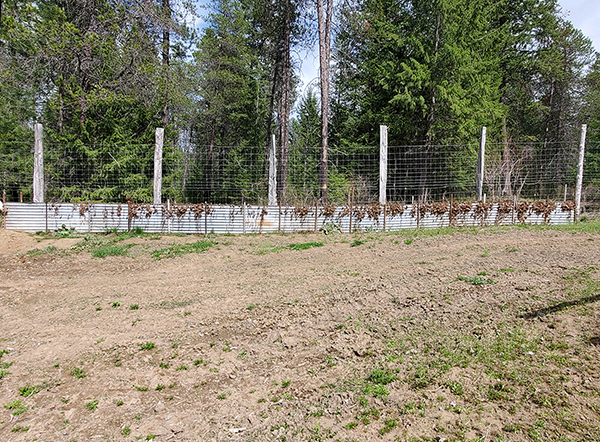
Raised strawberry bed after winter

Spring cleaning in the garden is always amazing to me. Plants that are looking so totally dead, are really not.  I am so grateful for the softer soil and the milder (cooler) temperatures as we work. You can grab a whole handful of weed and pull it fully out (roots and all) from the soft cool soil. We remove all of the dead, pulling weeds as much as possible as we go through the whole garden. Clearing so can start to sprout up and blossom again.

strawberry 058
Using hands and shears I cut all of the dead out.

Cleanup begins with all the fruit trees done in the winter. Now it is the berries then on to the herbal tea garden, herbs, spices, and everything else. see all the dead hanging out on the sides of the raised strawberry bed.

strawberry 059
All the debris is on the outside on the ground.

Big piles of weeds are easily piled up and burned in the middle of the garden. The ash is worked back into the soil with the tractor disc and rototilling, which is the next step. Ash is one of God’s fertilizers. All stalks and dead are burned.

mints Spring
Mint tea plants after winter

EXCEPT FOR THE MINT!, they are simply burned outside of the garden or else they will be growing everywhere. I only have to miss a single leaf and a new mint plant begins., SUNFLOWERS too, don’t go there with me, that takes a couple of pages of words even to begin to describe.

All year long I approach garden chores on a first come first needed basis. Like, the asparagus is the first crop so it gets cleared first. It is the only way I can keep from going crazy trying to keep up.

Herb Section

We have a herb section in the middle of our garden as we grow fresh spices for cooking along with teas and tinctures to keep us healthy. I started off mainly wanting to have fresh herbs to cook with. Now, we have a library of reference material on herbs by reputable herbalist and we are much more interested in the healing capabilities and qualities derived from our herb garden.

The hardest part for me initially was figuring out how to identify the sprouts as they came up. I’d kill them as I weed until it got easier to recognize them. Almost all of the images available online are of blooming, fully mature plants which do not look very much like a mature plant when they sprout out of the ground. I really wish that the seed packets would put pictures of what the sprouting plants look like. The cultivation success rate improves along with the ways we utilize the herbs as we learn more about them.

It is important to figure out which herbs are annuals needing careful seed retrieval to replant and which were easy self-seeding varieties. Also, which herbs are truly perennials hardy enough to survive our winters in the Inland Northwest climate. Do I need to protect them with a straw covering over winter? If it dies over winter I put straw over the next year to see if it can survive. It has become easier as we dedicate areas for each herb allowing the perennials room to grow and the annuals places to drop their own seeds.

The herbs established in our garden so far include basil, borage, caragon, caraway, chamomile, dill, elderberry, horseradish, hyssop, lavender, mints (lemon balm, peppermint, spearmint), mullein, oregano, parsley, poppy, rosemary, sage, tarragon, thyme, valerian, yarrow. Following posts will show information and photography of each one of these separately along with information about successfully cultivating.